
Your Hair Loss Treatment Journey
Understanding Hair Loss Treatment and What to Expect
Starting treatment for hair loss can feel like a significant step, and it's natural to wonder when you may begin to notice changes.
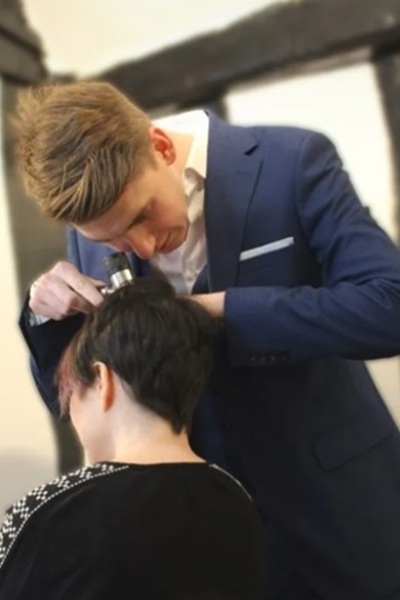
At The Hair Loss Clinic UK, we provide personalised treatment plans for men and women experiencing hair loss. Following a clinical assessment, our trichologist-led team can recommend suitable treatment options based on your individual circumstances, pattern of hair loss, and treatment goals.
Hair growth occurs in natural cycles, which means changes often develop gradually rather than immediately. Understanding the process can help you set realistic expectations and stay committed to your treatment plan.
Clinically Led. Ethically Delivered.
Key Takeaways:
✔ We offer scientifically proven treatments to regrow your hair if you have Male Pattern Hair Loss
✔ Our qualified consultant trichologist will assess your needs
✔ We also offer genetic testing to help identify which treatments you will best respond to
✔ Start your hair recovery plan by completing our online hair questionnaire
Why Does Male and Female Pattern Hair Loss Happen?
Male Pattern Hair Loss and Female Pattern Hair Loss are both caused by a combination of genetics and hormones.
In men, the primary culprit is DHT (dihydrotestosterone), a hormone derived from testosterone. DHT can bind to hair follicles and gradually shrink them in a process known as miniaturisation. As follicles become smaller, hairs become finer, shorter, and eventually stop growing altogether.
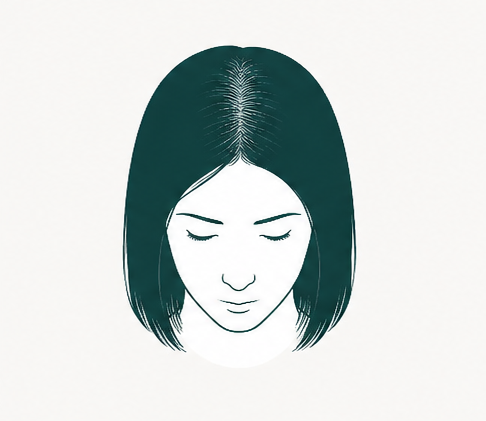
In women, hormonal changes, genetics, ageing, and fluctuations in oestrogen levels can contribute to follicle miniaturisation and diffuse thinning across the scalp, particularly around the crown and parting.
The good news is that early intervention can help preserve existing hair and encourage healthier growth from weakened follicles.
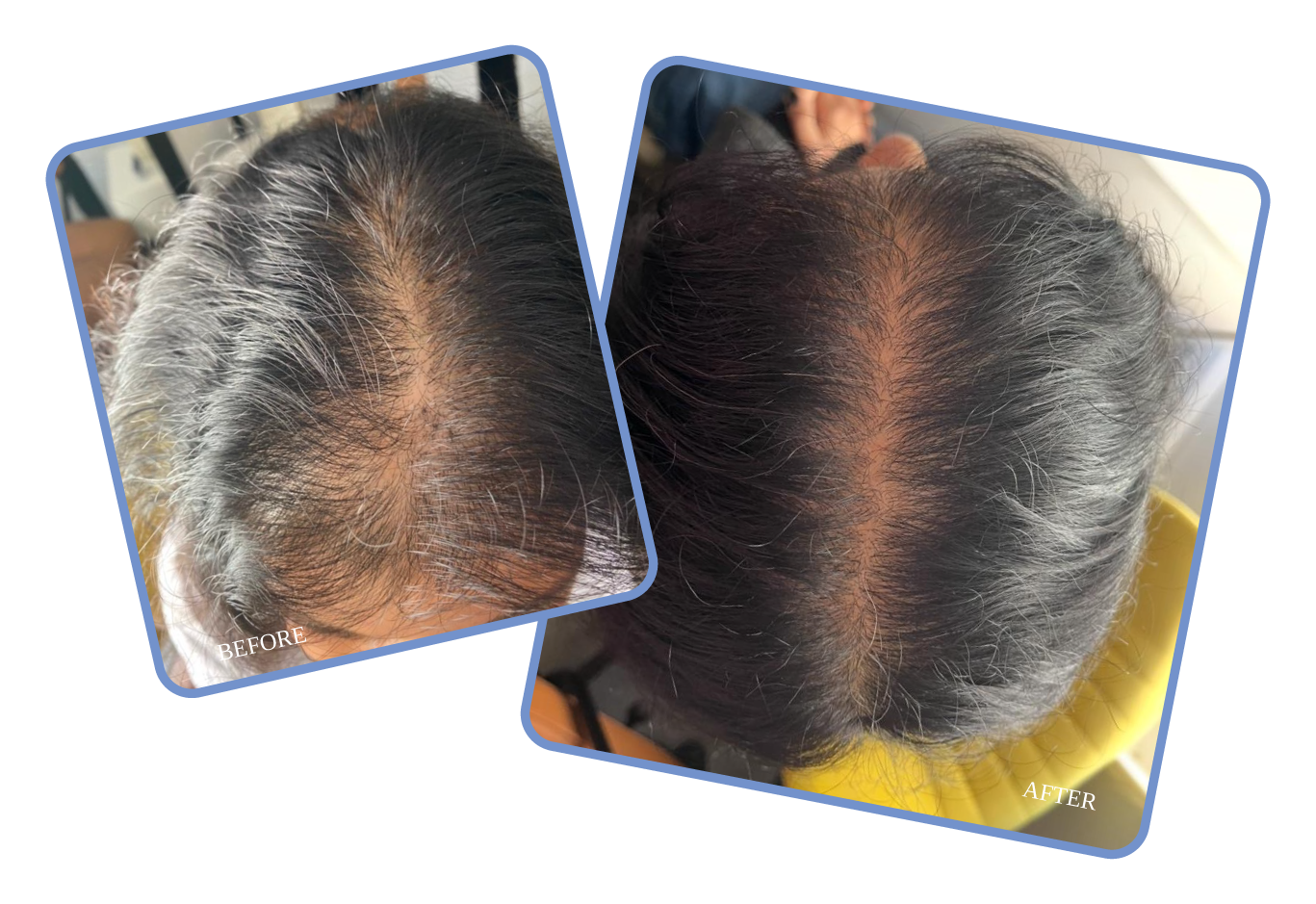
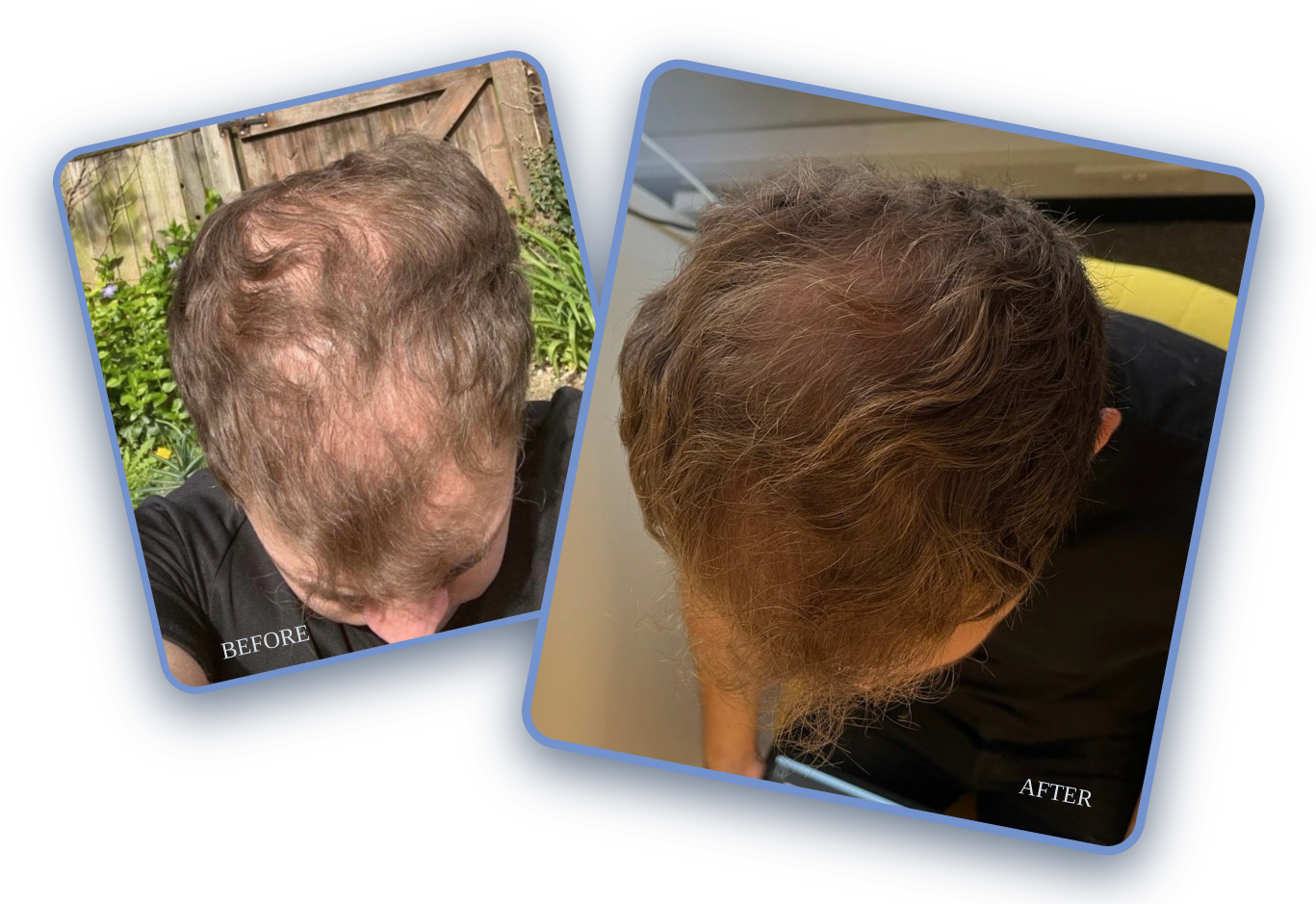



How Treatment Plans Are Developed
Every patient is different, which is why treatment recommendations are based on a detailed assessment of your hair loss concerns, medical history, lifestyle factors, and treatment objectives.
Depending on your diagnosis and clinical suitability, your treatment plan may include one or more approaches designed to:
- Support healthy hair growth
- Help maintain existing hair density
- Address factors contributing to hair loss
- Promote scalp health
- Support the natural hair growth cycle
Your treatment plan will be reviewed regularly, allowing us to monitor progress and make adjustments where appropriate.
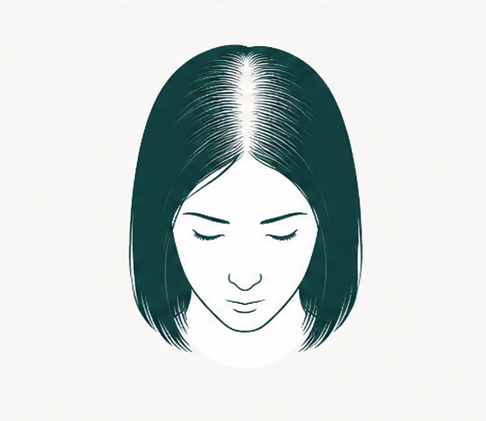
Months 0–3: The Foundation Stage
Do not be concerned by a lack of obvious change - this is normal.
During this stage you may experience:
little or no visible improvement
increased shedding
dormant follicles being stimulated
While shedding can feel alarming, it is often a positive sign. Older, weaker hairs are being pushed out to make way for new growth. This indicates that the hair growth cycle is restarting.
The key message during this phase is simple: trust the process and remain consistent with your treatment.
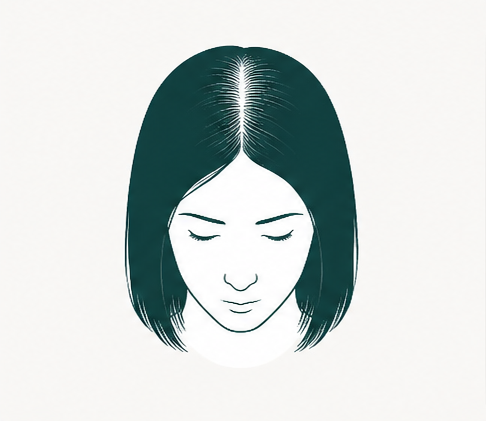
Months 3–6: Early Progress
By this stage, many patients begin to notice encouraging changes.
You may experience:
Reduced daily hair shedding
Slower progression of hair loss
Improved hair quality
Early signs of regrowth in thinning areas
New hairs often appear fine and soft at first. These emerging hairs will continue to mature and strengthen over time.
Not everyone progresses at exactly the same pace, but many patients start to feel more confident as they notice the first signs that treatment is working.
Months 6–12+: Visible Improvement
This is where the most significant results are typically seen.
As treatment continues:
hair density often improves
scalp visibility may decrease
hairlines can appear fuller
hairs become thicker and stronger
new hair fills areas of thinning
The cumulative effect of hundreds of follicles producing healthier hairs can create noticeable improvements in overall scalp coverage.
Many patients report that their hair feels thicker.
The Importance of Long-Term Treatment
Hair growth is a gradual process. Hair follicles move through different stages of growth, rest and shedding, and it can take time for any treatment approach to have an effect.
For this reason, following your treatment plan consistently and attending recommended reviews is important. Regular use allows your clinician or trichologist to assess your response to treatment and determine whether any changes may be beneficial.
The response to hair loss treatment varies from person to person. Factors such as age, genetics, medical history, type of hair loss, and how long the condition has been present can all influence outcomes.
Some individuals may notice changes sooner than others, while some may require a longer treatment period before any improvement becomes apparent. Because hair loss is often a progressive condition, ongoing management may be recommended to help maintain any improvements achieved.
Important Information: All treatment recommendations are subject to clinical assessment and may not be suitable for everyone. Potential benefits, risks, side effects and alternative options will be discussed before treatment is recommended.
Individual results vary and no treatment can guarantee hair regrowth or prevent further hair loss. Some treatments may be prescribed on an off-label basis where clinically appropriate.